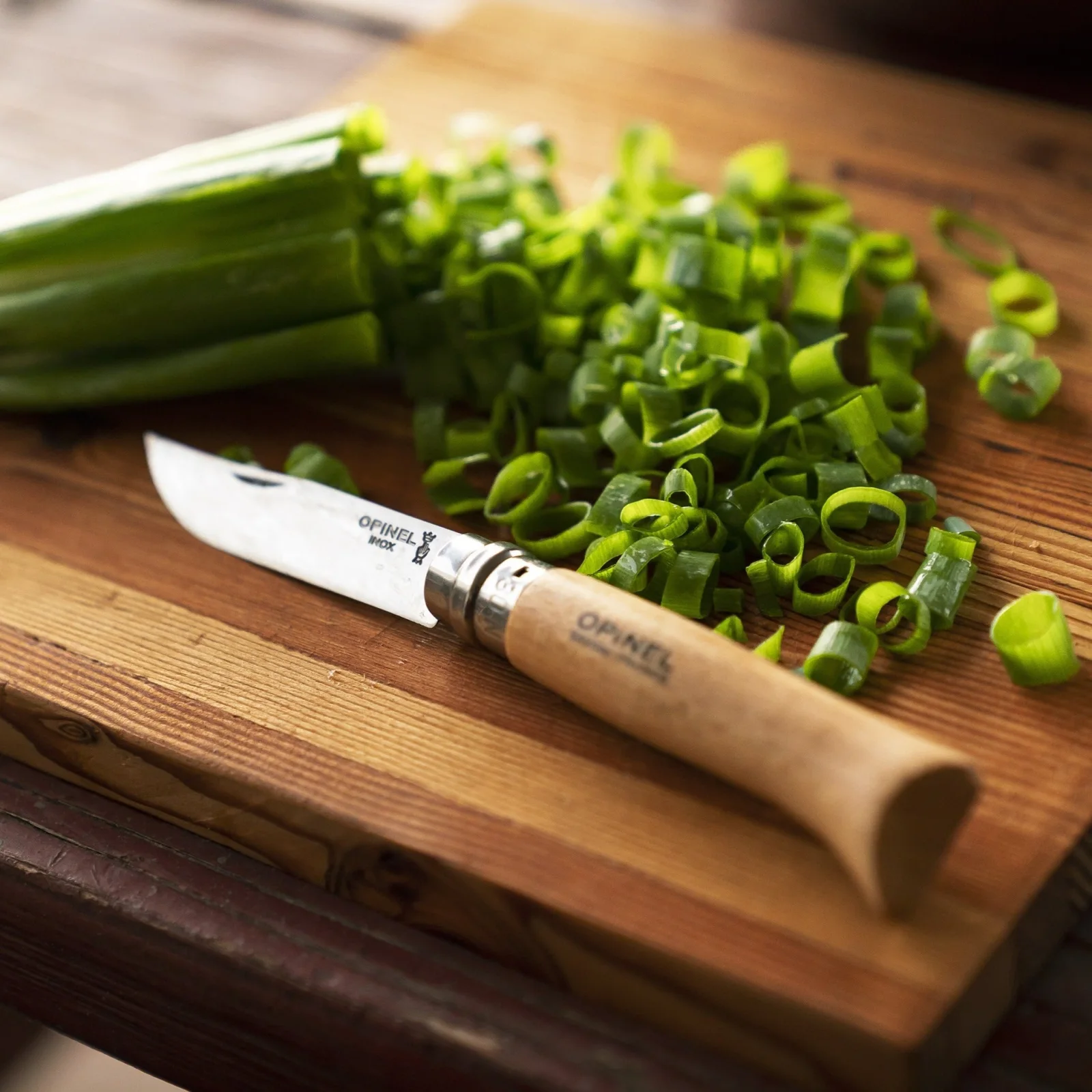
Three properties, different jobs.
Knife Steel Nerds distinguishes resistance to wear, resistance to fracture, and resistance to corrosion. These properties involve tradeoffs. Its steel ratings describe materials under stated test conditions, not the performance of every finished knife made from that steel.
The edge is part of the answer.
The same research explains why geometry and sharpening affect cutting and damage resistance. A steel name alone cannot predict which complete knife will cut longer. This is why KnifeCritic does not convert a steel chart into product scores.
Turn the reading into questions.
For your shortlist, ask which steel the maker identifies for the exact variant, whether a hardness range is documented, what maintenance instructions apply, and what testing supports any performance claim. Keep an unanswered question as an unanswered question. Do not quietly fill a missing specification from a different version of the product.
Use a comparison to narrow the research.
Our product table records what the manufacturer states, including fields the source does not provide. It is a starting point for inspection and further reading. If two knives use the same steel, look next at their dimensions, carry format, maintenance requirements, and evidence from comparable finished-knife tests.
Sources and scope
Sources checked October 29, 2026. This is research and buying guidance, not a hands-on test.
Put the questions to work.
Compare the documented facts without turning them into a performance score.
Compare knives